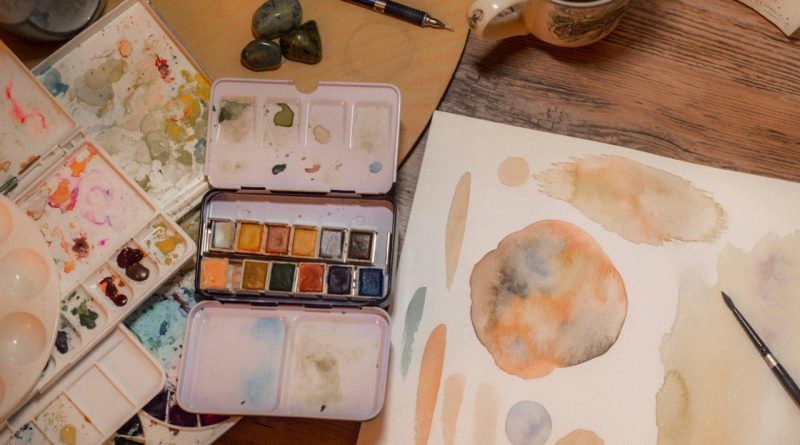
Why Watercolor Is No Longer Considered A Secondary Medium
Watercolor has long been overshadowed by more dominant mediums like oil and acrylic, often relegated to a secondary status in the art world. However, recent shifts in artistic trends and a growing appreciation for its unique qualities have helped elevate watercolor to a position of prominence. This transformation is particularly resonant within geek culture, where the medium’s ethereal qualities and vibrant palettes align perfectly with the imaginative landscapes of science fiction and fantasy. This article will explore the journey of watercolor from a supplementary tool to a celebrated medium, its significance in geek culture, modern techniques that enhance its appeal, and tips for collectors eager to showcase this beautiful form of art.
The Evolution of Watercolor: From Background to Center Stage
Watercolor has a rich history, dating back to ancient civilizations, but it was primarily seen as a tool for sketching or illustrating preliminary ideas. Artists like J.M.W. Turner and John Singer Sargent began to demonstrate its potential in the 18th and 19th centuries, showcasing its capacity for depth and emotion. Yet, it still struggled for recognition, often viewed as less serious than its oil counterpart. Many artists used it to fill the gaps or provide a quick study, reinforcing its position as a secondary medium.
Fast forward to the 21st century, and watercolor is experiencing a renaissance. Artists are now using this medium for intricate, detailed works that command attention. The rise of social media platforms has allowed artists to share their watercolor creations widely, garnering appreciation from audiences who previously might have overlooked it. Watercolor is no longer merely a tool for drafts; it stands proudly as a primary medium in exhibitions and collections, often headlining shows rather than simply complementing them.
This shift has been influential in challenging traditional perceptions of art. Watercolor’s fluidity, spontaneity, and ability to create atmospheric effects resonate with contemporary themes in art, making it a go-to choice for modern artists. Its capacity to evoke emotion and capture fleeting moments has led to a resurgence of interest, allowing watercolor to step out of the shadows and into the spotlight.
Celebrating Watercolor’s Role in Geek Culture and Art
Watercolor’s unique properties make it a natural fit for the vibrant worlds of geek culture, where fantasy and science fiction thrive. The soft washes and bright pigments can beautifully render magical landscapes, creatures, and epic scenes that ignite the imagination. Artists specializing in genres like fantasy illustration or video game concept art have embraced watercolor, using its fluidity to create captivating narratives on the canvas.
In recent years, conventions and online platforms have showcased watercolor art in new and exciting ways, from fan art to official merchandise. Artists like Sam Yang and Kiri Østergaard Leonard have gained popularity by blending traditional watercolor techniques with beloved pop culture themes, demonstrating the medium’s versatility. Enthusiasts can find everything from delicate portraits of favorite characters to sweeping landscapes that evoke the essence of fantastical realms, all crafted with the delicate touch of watercolor.
Moreover, this medium encourages a sense of community among artists and fans alike. Workshops and online tutorials aimed at introducing newcomers to watercolor techniques have proliferated, fostering an inclusive environment where creativity can flourish. The shared enthusiasm for creating and appreciating watercolor art in geek culture has helped solidify its status, proving that it’s not just a secondary medium anymore, but rather a vital component of the artistic landscape.
Techniques That Elevate Watercolor in Modern Artistry
Artists today are pushing the boundaries of watercolor, employing innovative techniques that expand its potential. One such technique is the use of wet-on-wet, where pigments are applied to wet paper, creating mesmerizing blends and unpredictable patterns. This approach allows for a dreamlike quality, making it ideal for depicting ethereal landscapes or mystical creatures found in fantasy art.
Another popular technique is layering, where artists build depth by applying multiple washes. This method can create striking contrasts and intricate details, allowing for a more sophisticated visual experience. Artists can use this technique to craft detailed portraits of geek culture icons or to create lush, vibrant scenes that draw viewers into a world of imagination.
Moreover, the incorporation of mixed media has become prevalent, where watercolor is combined with ink, gouache, or digital enhancements. This fusion not only elevates the aesthetic quality of the artwork but also introduces new dimensions to storytelling in art. The versatility of watercolor, combined with modern techniques, has enabled artists to create pieces that resonate deeply with a wide audience, further solidifying its status in contemporary artistry.
Collecting and Displaying Watercolor: Tips for Enthusiasts
For those looking to collect watercolor art, it’s essential to consider the unique characteristics of this medium. Unlike oil or acrylic, watercolor is more delicate and requires careful handling. When purchasing, ensure that the piece is framed with UV-protective glass to prevent fading and damage. Additionally, look for works that have been created on high-quality, archival paper to ensure longevity.
When it comes to displaying watercolor pieces, lighting plays a crucial role. Natural light is often best, but direct sunlight should be avoided to prevent color degradation. Instead, opt for soft, diffused lighting that enhances the artwork’s colors without overwhelming them. Create a gallery wall dedicated to watercolor pieces, interspersing them with other mediums to highlight their unique qualities and the stories they convey.
Lastly, connecting with artists at conventions or local galleries can enhance your collection experience. Many artists are open to commissions, allowing collectors to request custom pieces that reflect their personal interests in geek culture. Building relationships with artists not only enriches the collecting experience but also supports the creative community, ensuring that watercolor continues to flourish in the years to come.
As we’ve explored, watercolor is no longer a secondary medium but a vibrant, celebrated form of artistic expression, especially within the enchanting realms of geek culture. Its evolution has inspired a new generation of artists and collectors alike, fostering a community that appreciates the beauty and depth that watercolor brings to the canvas. Whether you’re a seasoned collector or a curious newcomer, the world of watercolor offers endless possibilities for exploration and inspiration. Embrace this medium, and let your imagination flow!