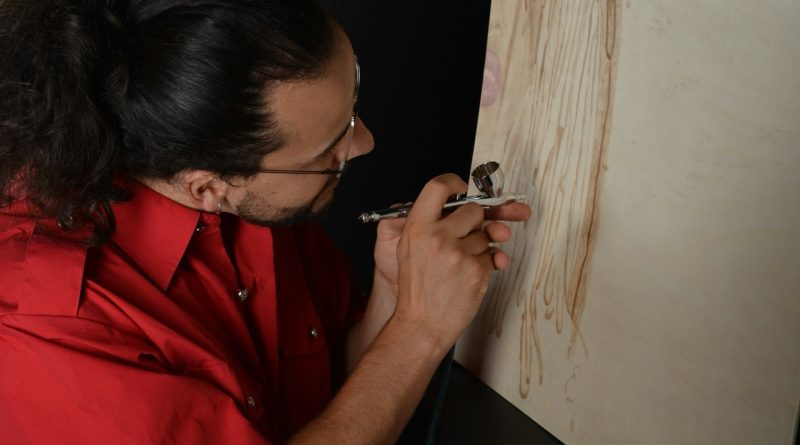
The Ethics Of Restoring Centuries-Old Paintings With Modern Tech
The world of art restoration is a fascinating blend of history and innovation, where centuries-old masterpieces meet the cutting-edge technologies of today. For art enthusiasts, especially those with a passion for science fiction, fantasy, video games, and pop culture, the restoration of classic paintings can evoke a sense of wonder and curiosity. But with this intrigue comes a significant ethical discussion: should we preserve the original integrity of these artworks or embrace modern techniques that may alter their essence? This article delves into the complex relationship between tradition and technology in art restoration, exploring the ethical dilemmas, innovative techniques, and considerations for displaying restored pieces.
The Intersection of Tradition and Technology in Art Restoration
Art restoration has long been a revered craft, steeped in tradition and guided by the principles of authenticity. Historically, restorers relied on age-old methods passed down through generations, using natural pigments and traditional tools to repair and rejuvenate. However, the advent of modern technology has introduced new possibilities, blurring the lines between preservation and alteration. Today, techniques such as digital imaging, 3D printing, and advanced chemical analysis are employed to restore and even recreate aspects of artworks that have faded or deteriorated over time.
For fans of geek culture, the intersection of these two worlds can be particularly captivating. Imagine a classic painting from the Renaissance era being examined through the lens of modern science, revealing hidden details that were once thought lost. This fusion of old and new opens up a treasure trove of insights into the artistry of the past, allowing us to appreciate the skill and creativity that went into these masterpieces. However, the question remains: how much should we rely on technology in this delicate process?
Ultimately, the goal of any restoration should be to honor the original work while making it accessible to contemporary audiences. This means finding a balance between showcasing the artwork’s historical significance and enhancing its visibility through modern techniques. For art lovers, this ongoing dialogue between tradition and technology offers a unique perspective on the evolution of art and its relevance in today’s culture.
Ethical Dilemmas: Preserving Originality Versus Modernization
As we embrace modern technology in art restoration, the ethical dilemmas become increasingly complex. One of the main concerns is preserving the original integrity of the artwork. Many purists argue that any alteration, no matter how subtle, undermines the artist’s original vision. When restorers use modern methods to fill in gaps or correct colors, they risk creating a piece that may look entirely different from what the artist intended.
In contrast, proponents of modern restoration techniques argue that these advancements allow us to bring lost masterpieces back to life, making them more accessible and engaging for new generations. For art enthusiasts, especially those drawn to the vivid worlds of science fiction and fantasy, these restored pieces can breathe new life into historical narratives, inviting viewers to connect with the past in a way that feels both relevant and exciting. The dilemma lies in finding a middle ground where restoration enhances rather than overshadows the original work.
These discussions are particularly relevant in the context of geek culture, where nostalgia and authenticity are paramount. Collectors may find themselves grappling with whether to invest in restored pieces or seek out originals with all their imperfections intact. The conversation around art restoration is not just academic; it has real-world implications for collectors, museums, and galleries alike, shaping how we view and value art in an ever-evolving landscape.
Techniques: Balancing Innovation with Artistic Integrity
The advancements in art restoration techniques are both exciting and daunting. Traditional methods like varnishing and retouching are now often supplemented with modern technologies such as laser cleaning, which can delicately remove layers of grime without damaging the underlying paint. Additionally, 3D scanning allows restorers to create detailed digital archives of artworks, enabling them to study and replicate elements that may need attention during restoration.
For art enthusiasts who appreciate the fusion of technology and creativity, understanding these techniques can enhance their appreciation for both historical and contemporary works. For instance, the use of augmented reality (AR) can provide immersive experiences that allow viewers to see what a painting looked like in its prime, alongside its current state. This not only engages audiences but also fosters a deeper understanding of the artist’s intent and the artwork’s journey through time.
However, the challenge remains to ensure that these modern interventions do not overshadow the original intent of the artist. Restorers must exercise discretion, using innovative techniques judiciously to maintain the artwork’s authenticity. For collectors and fans of geek culture, this intricate dance between innovation and integrity can serve as a reminder of the broader narratives that art encapsulates, inviting us to reflect on our own relationship with history and creativity.
Collecting and Displaying Restored Art: What to Consider
When it comes to collecting and displaying restored art, several important factors must be considered. First and foremost, collectors should inquire about the restoration process itself. Knowing the methods used and the extent of the intervention can inform decisions about authenticity and value. For those with a penchant for geek-themed art, understanding these nuances can add layers of meaning to a piece, transforming it into a conversation starter that bridges history with contemporary culture.
Furthermore, the provenance of the artwork plays a crucial role in its value and appeal. Buyers should seek documentation that outlines the restoration history and any relevant certifications from reputable art conservators. This not only enhances the artwork’s credibility but also provides assurance to collectors about the integrity of their investment. For fans of science fiction and fantasy, acquiring pieces with a rich backstory can deepen the connection to the artwork, fostering a sense of ownership and appreciation.
Finally, the display of restored art should be approached with care. Factors such as lighting, humidity, and temperature can significantly impact the longevity of a piece. Art enthusiasts should consider using UV-filtering glass to protect against fading and ensure that the environment is stable and conducive to preserving the artwork’s integrity. By taking these practical steps, collectors can enjoy their restored treasures while contributing to the ongoing conversation about art restoration and its ethical implications.
The ethics of restoring centuries-old paintings with modern technology is a multifaceted topic that invites us to reflect on the delicate balance between preserving originality and embracing innovation. As technology continues to advance, it opens up new avenues for understanding and appreciating the artistry of the past. For art enthusiasts, especially those captivated by the realms of science fiction, fantasy, and pop culture, this intersection offers a wealth of inspiration and discovery. By navigating the complexities of restoration with curiosity and respect, we can ensure that these timeless masterpieces continue to resonate with future generations, enriching our cultural landscape and igniting our imaginations.