The Future Of Painting In A World Of Instant Image Generation
The landscape of art is evolving rapidly, driven by technological advancements and shifting cultural paradigms. With the rise of instant image generation tools, the way we create, appreciate, and collect art is being transformed. This article explores the implications of these changes for traditional painting and what the future might hold for artists and collectors alike in a world brimming with instant visual content.
The Evolution of Painting: From Canvas to Code
Painting has a rich history, tracing back thousands of years to the earliest cave paintings. Over the centuries, it has evolved from the use of natural pigments and basic tools to the intricate canvases of the Renaissance. Today, the emergence of digital painting and image generation has introduced a new chapter in this ongoing narrative. Artists now wield software like Adobe Photoshop and Procreate, allowing for unprecedented flexibility and experimentation, blurring the lines between traditional and digital media.
Instant image generation tools, powered by artificial intelligence, are redefining how we perceive artistry. Programs can now produce stunning visuals in seconds, often based on simple prompts. While this might seem to threaten traditional painting, it can also be seen as an extension of artistic expression—a new medium that artists can use to explore concepts and themes in ways that were previously unimaginable. Just as photography once revolutionized the art world, so too is AI reshaping our understanding of creativity.
Collectively, these advancements are not erasing the past but rather adding layers to it. Artists who once relied solely on traditional techniques are now incorporating digital elements into their work. This fusion of old and new invites a broader audience to appreciate various forms of artistic expression, thereby enriching the cultural landscape. The future of painting, therefore, is not a rejection of its history but a celebration of its evolution.
The Role of Traditional Techniques in Digital Artistry
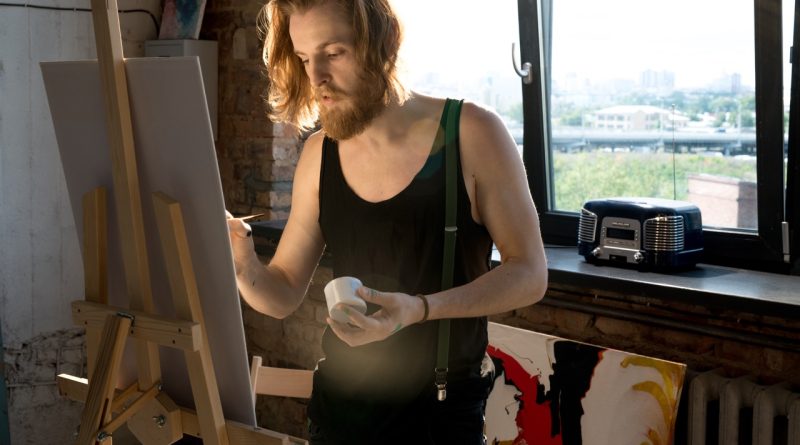
Despite the rise of instant image generation, traditional painting techniques remain vital in the digital age. Skills honed with brushes and paint are invaluable when creating digital art. The tactile experience of mixing colors and mastering brush strokes informs an artist’s ability to render realistic textures and depth, even in a digital format. Many artists still begin their creative processes with traditional sketches before transitioning to digital platforms, ensuring that the essence of their craft is preserved.
Furthermore, traditional techniques foster a deeper understanding of composition, color theory, and light—principles that are just as applicable in the digital realm. Artists versed in these foundations can leverage instant image generation tools more effectively, guiding AI systems to produce work that resonates with their unique vision. This symbiotic relationship between traditional methods and digital innovation can lead to breathtaking outcomes, combining the best of both worlds.
Incorporating traditional techniques also adds authenticity to digital artworks, which can sometimes lack the emotional depth found in hand-painted pieces. Collectors often seek this authenticity, valuing the human touch that comes from a deep understanding of craft. As traditional painting continues to inform digital artistry, the boundaries between the two will likely blur even further, making for a richer art experience.
How Instant Image Generation Influences Artistic Expression
Instant image generation tools have democratized art production, enabling anyone with a computer to create visually appealing works in a fraction of the time it would take with traditional methods. While this accessibility is exciting, it raises questions about originality and the value of craftsmanship. Artists must navigate this new terrain, finding ways to express their unique perspectives amid a sea of instantly generated visuals.
The capacity for rapid iteration allows artists to experiment with ideas and styles without the fear of wasting materials or time. This flexibility can lead to breakthroughs in creativity, inspiring artists to push their boundaries and explore new themes. In the geek art community, where fandoms intertwine with creative expression, instant image generation can result in innovative interpretations of beloved characters and worlds, giving rise to fresh narratives that resonate with audiences.
However, this shift also challenges the notion of authorship. As AI-generated images become more prevalent, artists must assert their individuality in a market flooded with similar visuals. The challenge lies not in the technology itself but in how artists harness it to create work that is distinctly their own. Ultimately, embracing instant image generation as a tool rather than a replacement can lead to a more vibrant and diverse art scene.
Collecting Geek Art: Blending Tradition with Innovation
For art collectors, the intersection of traditional and digital art offers exciting opportunities to diversify their collections. Geek art, encompassing themes from science fiction, fantasy, and video games, has gained immense popularity, often showcasing intricate details and imaginative worlds. Collectors can now choose from a range of pieces, from hand-painted canvases to limited-edition prints generated through AI.
When collecting, it’s essential to consider the provenance and the artist’s background. Understanding how an artist integrates traditional techniques with digital methods can provide valuable insight into the piece’s significance. Engaging with artists through platforms like Patreon or social media can also enhance the collecting experience, allowing enthusiasts to support their favorite creators while gaining exclusive access to new works.
As the art world continues to evolve, collectors who appreciate both traditional craftsmanship and innovative techniques will find themselves at the forefront of a dynamic movement. By embracing the blending of these worlds, they contribute to a cultural shift that celebrates creativity in all its forms, ensuring that the future of painting remains vibrant and inclusive.
The future of painting in an age of instant image generation is a testament to the resilience and adaptability of artistic expression. As artists and collectors navigate this new landscape, they will discover that the interplay between tradition and innovation can lead to extraordinary creative possibilities. By embracing the evolution of art, we can cultivate a richer cultural tapestry that honors the past while eagerly anticipating the future.