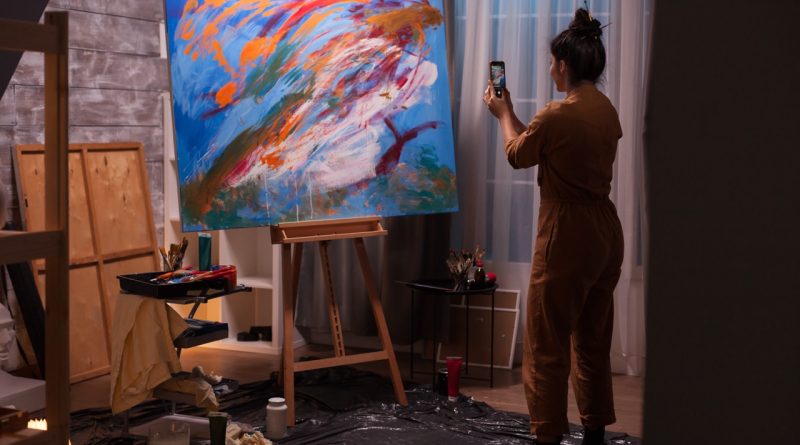
Lighting Hacks for Dramatic Comic-Style Panels
Lighting can transform a simple comic panel into a captivating scene that draws readers in and enhances storytelling. For artists and collectors alike, mastering the nuances of light can be the difference between a flat image and a vibrant, dramatic piece of art. From the golden glow of a sunset to the eerie shadows of a moonlit night, understanding how to manipulate light can elevate your comic-style panels to new heights. In this article, we’ll explore various lighting hacks that can bring your artwork to life, making it not just seen, but truly experienced.
Mastering Light: Setting the Mood in Comic Panels
Light is more than just a tool for visibility; it’s a powerful narrative device that sets the tone for your artwork. By playing with different lighting techniques, you can evoke a range of emotions and atmospheres within your comic panels. For instance, a harsh overhead light might convey tension in a dramatic confrontation, while soft, diffuse lighting could suggest intimacy or tranquility in a quiet moment.
Historically, comic artists have used techniques like chiaroscuro—contrasting light and dark—to create depth and drama. The classic works of artists like Frank Miller and Moebius showcase how effective lighting can propel a story forward. Incorporating these techniques into your own work can add layers of meaning that resonate with your audience, enhancing their connection to the narrative.
Moreover, understanding the direction and intensity of light is crucial. Are you illuminating a heroic figure standing against the backdrop of a chaotic battle, or are you highlighting the subtle expressions of characters in a serene setting? By consciously manipulating light, you can guide your readers’ eyes and emotions, ensuring that they feel the impact of each moment.
Color Temperature: Creating Atmosphere with Warmth
The warmth or coolness of your lighting can dramatically influence the mood of your comic panels. Warm colors—like yellows, oranges, and reds—can evoke feelings of happiness, warmth, and energy, making them ideal for scenes of celebration or adventure. Conversely, cool colors—such as blues and greens—can instill a sense of calm, mystery, or even foreboding, perfect for suspenseful or introspective moments.
Artists can use color temperature to create a more immersive experience for the reader. For instance, a sunset scene bathed in warm hues can evoke nostalgia, while a dimly lit alley illuminated by cool blue tones can create a sense of tension. By experimenting with color temperature, you can effectively communicate the emotional subtext of your story without relying solely on dialogue or action.
Additionally, layering color temperatures can enhance the depth of your panels. Consider using a warm light source, like a streetlamp, to cast soft golden hues on the characters, while the background remains in cooler shades. This contrast not only draws attention to the characters but also enriches the visual storytelling, making the scene more engaging.
Shadows and Highlights: Enhancing Depth in Artwork
Shadows and highlights are essential components of lighting that can add a three-dimensional quality to your comic panels. When used effectively, they can create a sense of volume and space, making characters and objects feel more tangible. A well-placed shadow can suggest movement or tension, while highlights can draw attention to crucial elements in the artwork.
Consider studying the work of classic illustrators like Winsor McCay or modern artists such as Jim Lee. Both masters expertly use shadows and highlights to enhance their storytelling. By observing how they manipulate these elements, you can learn to create focal points within your own work, guiding your readers’ eyes to what matters most in each panel.
To achieve dynamic shadows and highlights, think about the light source’s position in relation to your subjects. Side lighting can create striking contrasts, while backlighting can produce dramatic silhouettes. Experimenting with different angles and intensities will not only refine your technique but also inspire you to think creatively about how light can shape the narrative in your comics.
Practical Tips for DIY Lighting in Your Comic Displays
For those looking to showcase their comic panels in a way that enhances their visual impact, DIY lighting solutions can make a world of difference. Simple adjustments to your display area can transform how your art is perceived. Consider using adjustable LED strip lights to create dynamic backlighting for your panels, allowing you to switch between warm and cool tones depending on the mood you want to convey.
Another effective hack is to utilize spotlights or track lighting to emphasize particular pieces within a larger collection. By directing light at specific angles, you can create interesting shadows and highlights that draw the eye and add depth to your displays. Experimenting with different light intensities and colors will help you discover what best complements your comic art.
Lastly, don’t underestimate the power of natural light! Positioning your displays near windows can create a vibrant, ever-changing atmosphere as the sun moves throughout the day. Just be mindful of direct sunlight, which can fade colors over time. Balancing natural and artificial light will not only enhance your artwork but also create a captivating viewing experience for all your guests.
In conclusion, lighting is an art form in itself that can significantly elevate the storytelling power of comic panels. By mastering the interplay of light, color temperature, and shadows, you can create dynamic, engaging artwork that resonates with audiences. Whether you’re a seasoned artist or a passionate collector, these lighting hacks will inspire you to explore new creative avenues and enhance your love for comic art. So grab your brushes or your collection, and let the light guide your artistic journey!