Creating Atmosphere in Your Fantasy Landscapes
Creating atmosphere in your fantasy landscapes is not just an artistic choice; it’s a powerful tool that can transport viewers to entirely new worlds. For fans of science fiction, fantasy, video games, and pop culture, the landscapes we encounter in art often serve as a canvas for our imaginations. These scenes can evoke various emotions, challenge perceptions, and even tell stories without uttering a single word. In this article, we will explore the elements that contribute to the atmospheric quality of fantasy landscapes, offering insights into color, texture, and the inspirations drawn from nature and mythology.
Unveiling the Elements of Fantasy Landscape Atmospheres
To create a compelling atmosphere in your fantasy landscapes, it’s essential to understand the foundational elements that contribute to the overall mood. Elements such as weather, time of day, and environmental features play pivotal roles in setting the scene. A foggy morning can evoke feelings of mystery, while a vibrant sunset might inspire awe and wonder. Consider how these elements interact to create a cohesive narrative. A landscape that combines a dark forest with shafts of light breaking through the canopy can invite curiosity and intrigue, drawing the viewer deeper into the artwork.
Another critical aspect is the use of scale and perspective. Think about how towering mountains or expansive seas can create a sense of grandeur. Conversely, close-up details like the delicate petals of a flower or the rough bark of an ancient tree can evoke intimacy. The juxtaposition of these scales can enhance the overall atmosphere, making the scene feel both vast and personal. Artists often use techniques such as atmospheric perspective, where distant objects appear lighter and less detailed, to add depth and realism, thereby enhancing the immersive quality of the landscape.
Finally, storytelling plays a crucial role in establishing atmosphere. Every element in a fantasy landscape can contribute to a larger narrative. For instance, ruins of an ancient civilization can suggest a history waiting to be uncovered, while the presence of mythical creatures can hint at untold adventures. When viewers sense the story behind the scene, they are more likely to feel emotionally connected to it. This connection can transform a simple landscape into a vibrant world teeming with life and possibility.
Crafting Emotion Through Color and Light in Art
Color is one of the most potent tools in an artist’s arsenal when crafting atmosphere. Different hues can evoke specific emotions; for instance, warm colors like reds and oranges can inspire feelings of warmth and comfort, while cool colors like blues and greens might create a sense of calmness or melancholy. Understanding color theory and how colors interact can significantly enhance the mood of your fantasy landscapes. A palette dominated by muted tones might evoke nostalgia, while vibrant, saturated colors can create excitement and energy.
Light, too, plays a vital role in shaping atmosphere. The interplay of light and shadow can dramatically alter the perception of a landscape. For example, dramatic lighting—like the golden hour just before sunset—can cast enchanting shadows and highlight textures. Artists can experiment with different lighting techniques, such as chiaroscuro, which contrasts light and dark to create depth and intrigue. By skillfully manipulating light, you can guide the viewer’s eye to focal points, enhancing the narrative within the landscape.
Combining color and light creates a symphony of emotions that can resonate deeply with viewers. For instance, a landscape bathed in the soft glow of twilight can evoke a sense of tranquility and reflection, inviting the audience to pause and contemplate. On the other hand, harsh, contrasting colors and stark lighting can convey tension or conflict. By thoughtfully considering how to use color and light in your art, you can craft landscapes that not only capture attention but also stir the soul.
Incorporating Textures for Depth and Realism
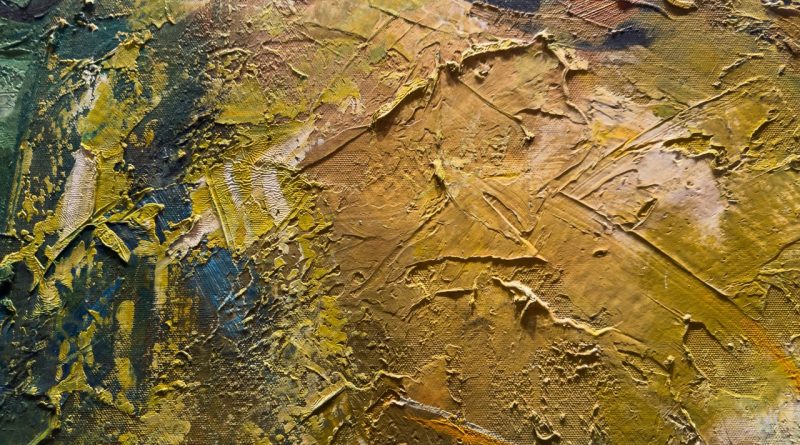
Texture is a crucial element that often goes unnoticed in fantasy landscapes, yet it adds a layer of depth and realism that can immerse viewers in the scene. Whether it’s the roughness of rocky terrain, the smoothness of water, or the intricacies of foliage, textures can evoke a tactile response that draws viewers in. Artists can experiment with various techniques—such as dry brushing or layering—to create these textures. The more attention you pay to the tactile qualities of your landscape, the more lifelike and engaging it will become.
Incorporating real-world textures can also help ground fantastical elements in a believable way. For example, if you’re depicting a mythical forest, consider using textures inspired by real trees, rocks, or soil. This blend of realism with fantasy can create a sense of familiarity, making the fantastical elements more relatable. Additionally, utilizing various brush techniques or mixed media can enrich the visual experience, allowing viewers to feel as though they can reach out and touch the landscape.
Finally, it’s crucial to consider how textures interact with light. How does the setting sun reflect off a rippling lake? What shadows do the leaves cast on the forest floor? By understanding how texture and light work together, you can create landscapes that are not only visually stunning but also immersive. This attention to detail will make your fantasy landscapes feel alive, inviting viewers to explore every nook and cranny of the world you’ve created.
Inspiring Atmosphere: Nature, Myth, and Imagination
Drawing inspiration from nature is a vital practice for creating atmospheric fantasy landscapes. The natural world is filled with diverse environments that can spark the imagination—whether it’s the serene beauty of a lake at dawn or the chaotic energy of a thunderstorm. Observing these natural phenomena can inspire unique elements in your artwork. For instance, the swirling clouds of a tempest could be reimagined as a magical storm in a fantastical realm, transforming the mundane into the extraordinary.
Mythology is another rich source of inspiration for crafting atmospheric landscapes. Many cultures have stories that explain the origins of natural features, like mountains or rivers, often attributing them to divine beings or legendary heroes. Incorporating these mythological elements into your landscapes can add layers of meaning and intrigue. A mountain that is said to be the home of a slumbering dragon can evoke both awe and fear, enriching the atmosphere you aim to create.
Lastly, let your imagination take flight. Fantasy landscapes are a canvas for the surreal and the extraordinary. Don’t hesitate to break the boundaries of reality—create floating islands, bioluminescent forests, or skybridges connecting celestial bodies. The power of imagination is limitless, and it is often in the most unexpected combinations that the most compelling atmospheres arise. By blending elements of nature, mythology, and your creative vision, you can craft landscapes that resonate with viewers on both emotional and intellectual levels.
Creating atmosphere in fantasy landscapes is an intricate dance of elements—color, light, texture, and inspiration. Whether you are a seasoned artist or a newcomer to the world of geek-themed art, understanding these components can enhance your ability to evoke emotion and transport viewers into your imagined realms. Remember to draw from nature, mythology, and the depths of your imagination, allowing your landscapes to become vibrant worlds that beckon exploration. With practice and creativity, you can master the art of atmosphere, enriching the experiences of those who gaze upon your creations.