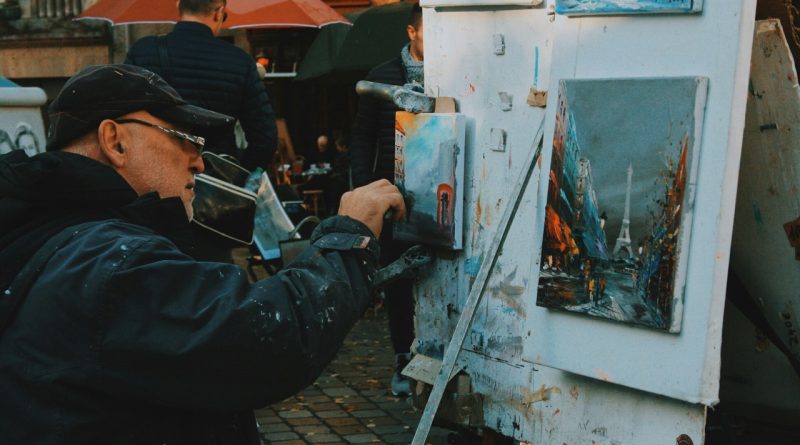
Art And Civil Rights Movements
Art and civil rights have long been intertwined, serving as powerful mediums for expression and change. From vibrant murals to poignant illustrations, artistic endeavors have played a significant role in shaping the narratives of social justice movements. For enthusiasts of geek culture, this intersection of creativity and activism offers a treasure trove of inspiration, bridging the worlds of fantasy, science fiction, and social equity. This article delves into the profound impact of art on civil rights movements, spotlighting iconic artists, exploring visual storytelling, and even discussing how collectors can celebrate this vital narrative in their own spaces.
The Role of Art in Shaping Civil Rights Narratives
Art serves as a mirror reflecting the societal challenges of its time, and civil rights movements have been no exception. From the Harlem Renaissance to contemporary protests, artists have harnessed their craft to voice the struggles for equality and justice. The use of bold colors, striking imagery, and evocative messages creates a visceral connection that resonates deeply with audiences. For instance, the iconic works of artists like Jacob Lawrence depict the African American experience through a unique lens, transforming historical narratives into visual studies that educate and inspire.
Moreover, art has the power to transcend borders and languages, making it a vital tool for global civil rights movements. Street art, in particular, has emerged as a dynamic medium that captures the zeitgeist of resistance. Murals painted on city walls often serve as public statements against systemic oppression, embodying collective grievances and aspirations. This public accessibility allows art to reach diverse audiences, sparking conversations and fostering community engagement.
In the realm of geek culture, art can also be a catalyst for change, intertwining with fantastical narratives to challenge societal norms. Graphic novels, animated films, and video games frequently embed themes of resistance and empowerment within their plots. These narratives not only entertain but also educate audiences about the struggles faced by marginalized communities, demonstrating that even in fantasy worlds, the fight for justice remains relevant.
Iconic Artists Who Fused Activism with Imagination
Throughout history, numerous artists have seamlessly blended activism with their creative expressions, becoming pivotal figures in civil rights movements. One such artist is Keith Haring, whose vibrant graffiti-style artwork emerged in the 1980s amid the AIDS crisis and rampant homophobia. His bold lines and playful figures conveyed urgent messages about love, acceptance, and social justice, resonating particularly with LGBTQ+ communities. Haring’s work continues to inspire contemporary artists advocating for various causes, reminding us of the power art holds in promoting inclusivity.
Another iconic figure is Ai Weiwei, a Chinese dissident artist whose installations and sculptures often critique authoritarian regimes and human rights violations. His art embodies the spirit of resistance and has brought global attention to issues such as refugee crises and freedom of expression. Weiwei’s approach often combines traditional Chinese art forms with modern mediums, creating pieces that challenge both political and cultural boundaries. His ability to merge activism with artistic innovation serves as a beacon for aspiring artists looking to make their mark on the world.
In the realm of geek culture, artists like Jim Lee and Amanda Conner have utilized their platforms to raise awareness for various social issues. Comic book conventions have become hubs not just for fandom but also for activism, as these artists often use their work to support charitable causes. By blending engaging storytelling with messages of justice, they inspire fans to take action in their communities, demonstrating that creativity can be a powerful ally in the pursuit of equality.
Exploring Visual Storytelling in Civil Rights Movements
Visual storytelling has long been a compelling method for conveying the complexities of civil rights movements. Through photography, paintings, and digital art, artists capture pivotal moments that evoke empathy and reflection. For example, the haunting images of the Civil Rights Movement, such as those taken by photojournalists like Gordon Parks, showcase the raw emotions of struggle and resilience. These poignant visuals not only document history but also serve as reminders of the ongoing fight for justice and equality.
In addition to traditional forms, digital art has emerged as a powerful tool for activism in the 21st century. Social media platforms have enabled artists to share their work widely, reaching audiences far beyond their local communities. Hashtags and viral campaigns have transformed the way art is used in activism, allowing for instant dialogue and mobilization around pressing social issues. Artists like Shepard Fairey have harnessed the power of digital storytelling to create impactful pieces that resonate with movements like Black Lives Matter and climate change activism.
For collectors, engaging with visual storytelling offers an opportunity to not only appreciate art but also understand its historical context. By including pieces that reflect civil rights narratives in their collections, enthusiasts can celebrate the intersection of creativity and activism. This practice not only enriches personal spaces but also fosters conversations about the ongoing struggles for justice, making art a living testament to the fight for equality.
Collecting Art: Celebrating Activism in Geek Culture
Collecting art that celebrates activism is a rewarding journey for both seasoned enthusiasts and newcomers alike. For fans of geek culture, seeking out pieces that resonate with themes of resistance and empowerment can be an exciting endeavor. Many artists create prints and original works that draw inspiration from social justice movements, making it easier to find pieces that align with personal values. Whether it’s a framed comic book cover or a limited-edition print from a socially conscious artist, there are countless ways to infuse one’s collection with meaningful narratives.
Attending art festivals and conventions can be an excellent way to discover works that fuse activism with elements of pop culture. Many artists showcase their pieces at these events, providing a unique opportunity to engage with creators and learn about the stories behind their work. Additionally, supporting independent artists through platforms like Etsy or crowdfunding sites can help foster a vibrant community of creators dedicated to social change.
Displaying art that celebrates activism in your home or office not only beautifies a space but also serves as a conversation starter. Consider curating a wall of art that highlights various themes, perhaps focusing on civil rights movements, LGBTQ+ representation, or environmental justice. This approach allows collectors to create an inspiring environment that reflects their values and encourages others to engage with important issues, transforming any space into a testament to the power of art and activism.
The relationship between art and civil rights movements is a fascinating exploration of creativity and social change. Iconic artists and powerful visual storytelling have shaped the narratives of justice and equality, influencing not just the movements of their time but also resonating within geek culture. As collectors and enthusiasts, we have the opportunity to celebrate this rich history through our own collections, fostering discussions and inspiring action in our communities. In a world where art continues to challenge the status quo, let us embrace its potential to be a force for good, igniting imaginations and sparking change.