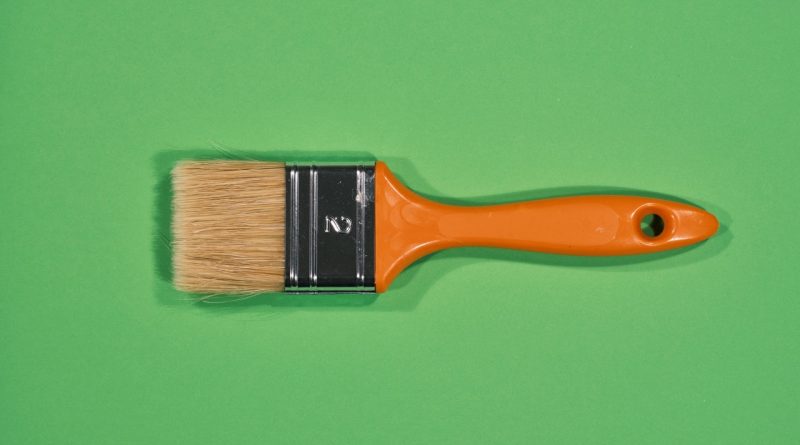
Art As A Tool For Community Engagement
Art has always been a powerful medium for expression, but its role as a tool for community engagement is perhaps one of its most profound aspects. In our fast-paced, digital world, where connections can feel fleeting, engaging with art can serve as a bridge, fostering relationships among diverse groups. This article explores how art can strengthen community bonds, provides historical examples of its transformative power, and offers techniques for utilizing art to engage your community, especially within the realms of geek culture.
Exploring the Role of Art in Building Community Bonds
Art has the unique ability to transcend language and cultural barriers, making it an ideal vehicle for community engagement. Whether through murals, performance art, or community workshops, art invites participation from everyone. This inclusivity encourages dialogue between individuals from different backgrounds, fostering a sense of belonging and shared purpose. In spaces where people come together to create or appreciate art, barriers dissolve, and new friendships often blossom.
Furthermore, art can serve as a reflection of the community itself. Local artists often draw inspiration from their surroundings, showcasing the history, culture, and character of their neighborhoods. This representation can instill pride and ownership among residents, sparking a desire to protect and enhance their environment. In geek culture, this can manifest in fan art that celebrates beloved franchises and local lore, creating an avenue for shared enthusiasm and camaraderie.
Lastly, community art projects can contribute to local economies by attracting visitors and stimulating interest in the area. Events such as art fairs, gallery openings, or pop-up exhibitions can draw crowds, leading to increased foot traffic for local businesses. This not only fosters community spirit but also showcases the talent and creativity that exists within the community, reinforcing the idea that art is not just a product but a vital part of community identity.
Historical Examples of Art Transforming Neighborhoods
One of the most striking historical examples of art transforming communities can be found in the Harlem Renaissance. From the 1920s to the 1930s, Harlem became a cultural epicenter as African American artists, musicians, and writers came together to express their experiences and aspirations. Through jazz, poetry, and visual arts, the movement fostered a sense of identity and community pride that resonated far beyond the neighborhood. This period not only elevated the status of African American culture but also attracted visitors and artists from around the world, revitalizing the area economically and socially.
Another notable example is the rise of community murals in urban environments, particularly during the 1980s and 1990s. Cities like Philadelphia and San Francisco embraced mural art as a way to beautify neighborhoods plagued by crime and neglect. Programs like the Philadelphia Mural Arts Program engaged local artists and residents to collaborate on large-scale murals that celebrated local history, culture, and diversity. These murals not only transformed the aesthetic landscape but also became focal points for community pride and engagement, reducing crime rates and fostering a sense of belonging among residents.
In more recent years, the "Art in the Streets" exhibition at the Museum of Contemporary Art in Los Angeles showcased street art as a legitimate form of artistic expression. The exhibition highlighted the role of graffiti and street art in community engagement, emphasizing how these art forms can serve as a voice for marginalized communities. By recognizing and valuing these often-overlooked art forms, communities can reclaim public spaces and ignite conversations about social issues, further enhancing the transformative power of art.
Techniques for Engaging Your Community Through Art
Engaging your community through art begins with understanding the interests and needs of the people you want to reach. Start by hosting informal gatherings to discuss potential art projects. This could be a brainstorming session or a casual meetup at a local café. Invite artists, fans of geek culture, and community members to share their thoughts and ideas. This collaborative approach ensures that the art produced resonates with the community and provides a platform for diverse voices to be heard.
Another effective technique is to create participatory art projects. These projects can take many forms, from community mural painting to collaborative workshops where participants create their own pieces. For instance, organizing a "paint and sip" night centered around a popular video game or comic book can attract fans and provide a relaxed environment for creativity to flourish. This not only empowers individuals to express themselves but also fosters connections among participants who share similar interests.
Finally, don’t underestimate the power of social media for promoting and documenting your community art initiatives. Utilize platforms like Instagram or Facebook to showcase progress, share stories, and invite others to participate. Creating an online community around your projects can help sustain interest and engagement, allowing for ongoing dialogue even after physical events have concluded. This digital space can be especially appealing to fans of geek culture, who are often active in online communities and eager to connect with others who share their passions.
Inspiring Projects: Geek Culture Meets Community Engagement
One inspiring project that beautifully merges geek culture with community engagement is the "Comic Book Project." This initiative invites young people to create their own comic books, guiding them through the storytelling and artistic process. By collaborating with local schools and community centers, this project empowers youth to express their unique narratives, many of which are influenced by popular culture and personal experiences. As participants share their comics with the community, they build bonds and gain confidence, showcasing their work in local galleries or during comic conventions.
Another noteworthy example is the "Geek Art Month" held in various cities, where local artists are encouraged to create works inspired by science fiction, fantasy, and other pop culture elements. Events like this often include art exhibits, workshops, and panel discussions, bringing together artists, fans, and community members. By celebrating geek culture through art, these events not only engage local talent but also create a vibrant atmosphere that attracts visitors, fostering community pride and involvement.
Finally, the concept of "Public Art Jam" events has gained traction in recent years. These gatherings bring together artists and community members for live painting and creative workshops centered around beloved franchises like Star Wars or Marvel superheroes. Participants can collaborate on large canvases or smaller pieces, all while enjoying food, music, and camaraderie. These events serve as a reminder that art is a collective experience, one that can spark joy and connection among fans of all ages.
Art as a tool for community engagement is not just a lofty ideal; it’s a tangible and impactful way to strengthen bonds, celebrate diversity, and foster creativity. By looking to historical examples, employing effective techniques, and drawing inspiration from projects that bridge geek culture and community, we can create spaces where everyone feels valued and heard. Whether you’re a seasoned art collector or a newcomer, engaging with art in your community can ignite passions, foster friendships, and create lasting memories. So, grab your brushes, gather your friends, and let’s celebrate the power of art together!