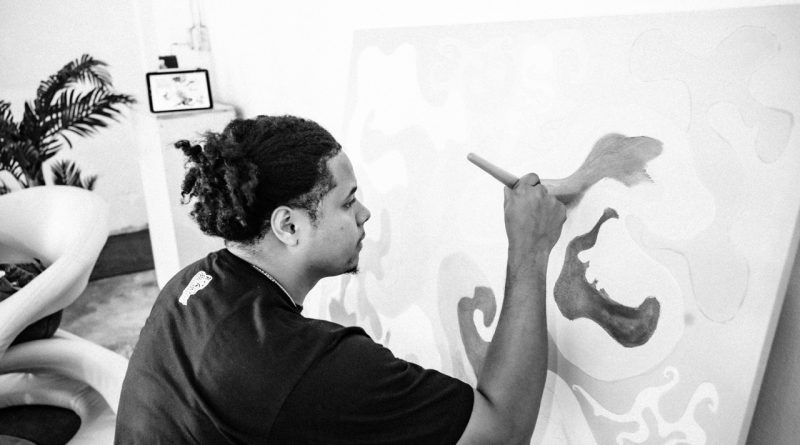
The Role Of Indigenous Art In Shaping Modern National Identities
In an age where national identities are constantly evolving, the role of Indigenous art is gaining renewed significance. This art form not only serves as a bridge connecting past and present but also shapes the modern narratives of nations. For fans of science fiction, fantasy, and pop culture, Indigenous art offers a rich tapestry of themes and symbolism that resonates deeply with contemporary storytelling. In this article, we will explore how Indigenous art influences national identity, its historical roots, modern interpretations, and practical tips for collecting and appreciating this vibrant form of expression.
Exploring Indigenous Art’s Influence on National Identity
Indigenous art encapsulates the essence of cultural identity, often acting as a visual language that expresses the values, beliefs, and histories of Indigenous peoples. In many countries, Indigenous art has become a symbol of resilience, reclaiming narratives that colonial histories sought to suppress. For example, in Australia, Aboriginal art has not only gained international acclaim but also plays a crucial role in the country’s identity, helping to redefine what it means to be Australian in the modern era. This shift is evident in public spaces, galleries, and even merchandise, where Indigenous motifs are increasingly integrated into mainstream culture.
Furthermore, Indigenous art challenges the notion of a singular national identity, reminding us that cultures are layered and multifaceted. As fans of science fiction and fantasy often explore diverse worlds and characters, the integration of Indigenous themes into storytelling enriches these narratives, inviting audiences to reflect on their own cultural heritages. This cross-pollination of ideas fosters a sense of belonging and community among different groups, making Indigenous art a vital player in shaping contemporary national identities.
The dialogues sparked by Indigenous art extend into various mediums, from film to video games, where Indigenous narratives and aesthetics are woven into storytelling. The popularity of these narratives in geek culture not only elevates Indigenous voices but also encourages a broader audience to engage with and appreciate the depth of these artistic expressions. As a result, Indigenous art serves as a catalyst for change, prompting discussions about representation, history, and identity in modern society.
Historical Roots: Indigenous Art and Cultural Narratives
The origins of Indigenous art can be traced back thousands of years, rooted in the spiritual and cultural practices of Indigenous communities around the globe. These artworks often depict creation stories, ancestral beings, and the intricate relationships between people, land, and nature. For example, the intricate carvings of the Pacific Northwest Coast and the vibrant dot paintings of Central Australia reveal profound connections to the land, serving as visual representations of oral histories passed down through generations.
Historically, Indigenous art has been a tool for storytelling and education, conveying essential cultural narratives that inform community values and belief systems. As colonial powers sought to erase these narratives, Indigenous artists emerged as cultural custodians, using their art to resist erasure and assert their identities. This historical context is crucial for understanding the contemporary relevance of Indigenous art, as it embodies not just artistic expression but also a form of activism and cultural revitalization.
In recent years, there has been a growing recognition of the importance of these historical narratives within modern national dialogues. Museums and cultural institutions are increasingly showcasing Indigenous art, highlighting its role in shaping civic identity and fostering understanding. By honoring the historical roots of Indigenous art, we not only celebrate its beauty but also acknowledge its significance in the ongoing journey toward reconciliation and mutual respect.
Modern Interpretations: Blending Tradition with Innovation
As Indigenous artists continue to innovate, we see a fascinating interplay between traditional techniques and modern aesthetics. Many contemporary Indigenous artists incorporate elements of technology, mixed media, and even digital platforms to express their cultural narratives in new ways. This blending of tradition and innovation not only appeals to a modern audience but also ensures the survival and evolution of Indigenous art forms.
For instance, artists like Yvonne Koolmatrie and Julie Gough are redefining traditional practices, experimenting with materials and concepts while respecting their cultural heritage. This dynamic approach creates a dialogue between past and present, allowing Indigenous art to resonate with wider audiences while remaining anchored in its cultural origins. For fans of pop culture, such innovations provide a wealth of inspiration, inviting new interpretations of familiar themes and characters.
Moreover, the growing recognition of Indigenous art in mainstream culture has led to collaborations that bridge gaps between Indigenous and non-Indigenous artists. These partnerships often yield exciting results, merging diverse perspectives and techniques to create artworks that speak to a broader audience. By embracing these modern interpretations, we not only celebrate Indigenous artistry but also contribute to a richer, more inclusive narrative of national identity.
Collecting Indigenous Art: Tips for Enthusiasts and Newcomers
For those interested in collecting Indigenous art, it’s essential to approach the process with respect and sensitivity. Start by educating yourself about the artist, the cultural significance of the artwork, and the community it represents. Understanding the context behind the art can deepen your appreciation and enhance your collection’s narrative. Look for reputable galleries and art fairs that showcase Indigenous artists, as they often provide valuable information and support the artists directly.
When considering a purchase, think about how the art aligns with your values and interests. For fans of science fiction and fantasy, there are opportunities to find artwork that reflects these themes through Indigenous perspectives. This not only enriches your collection but also fosters an appreciation for the diverse narratives within the genre. Don’t hesitate to ask questions and engage with artists or gallery owners; they can offer insights that enhance your understanding of the pieces you’re interested in.
Lastly, consider how you display your Indigenous art collection. Thoughtful presentation can elevate the artwork and spark conversations around its significance. Whether you choose a dedicated space in your home or incorporate pieces into your existing decor, remember to honor the stories behind the art. By doing so, you contribute to a broader understanding of Indigenous cultures and their vital role in shaping modern national identities.
The role of Indigenous art in shaping modern national identities is a rich and complex topic that intertwines history, culture, and innovation. As we continue to explore and appreciate this vibrant form of expression, we not only celebrate the artistry but also engage in the important dialogues surrounding identity and representation. For enthusiasts and newcomers alike, Indigenous art offers a world of inspiration, inviting us to reflect on our own stories while honoring the narratives that have shaped the cultures around us. As we embrace this art form, we contribute to a tapestry that celebrates diversity, creativity, and shared human experience.