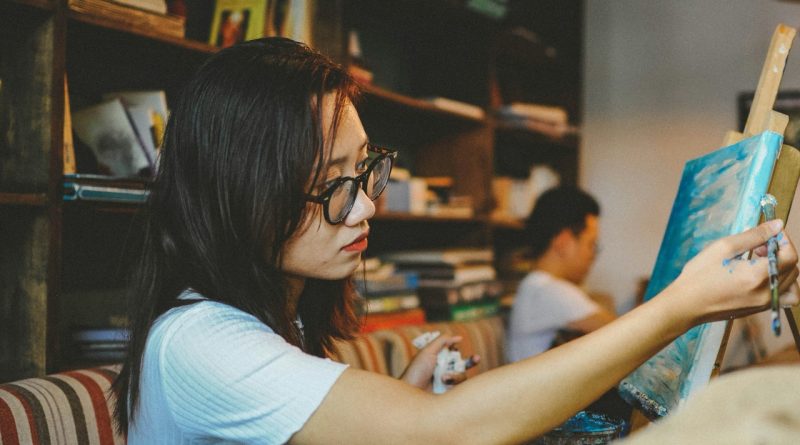
The Evolution Of Portraiture In The Era Of The Selfie
The world of portraiture has undergone a remarkable transformation over the centuries, evolving from painstakingly crafted oil paintings to the instantaneous clicks of a smartphone camera. In an era dominated by selfies, traditional forms of self-representation are being redefined, reshaping not only how we view ourselves but also how we appreciate the art of portraiture. As fans of science fiction, fantasy, video games, and pop culture, we find ourselves in a unique space where technology meets creativity, inviting us to explore the nuances of identity and representation.
From Traditional Portraits to the Age of Digital Selfies
Historically, portraiture served as a gateway into the lives and personas of its subjects. From the regal paintings of the Renaissance to the evocative photographs of the 19th century, traditional portraiture sought to capture not just likeness but the essence of an individual. Artists meticulously studied their subjects, often spending days or weeks to immortalize their features and convey their stories. This form of art was exclusive, reserved for those with the means to commission a skilled artist, reflecting societal hierarchies and values.
The advent of the camera in the 19th century democratized portraiture, allowing everyday individuals to document their existence. However, it wasn’t until the rise of social media that the selfie emerged as a cultural phenomenon. Now, anyone with a smartphone can capture and share their likeness instantaneously, creating a shift in the narrative of self-representation. No longer confined to studios or galleries, portraits are now seen in a myriad of contexts—be it the latest cosplay from a comic-con or an artistic reinterpretation of a beloved video game character.
This shift has not only changed how we create portraits but also how we perceive them. In the selfie era, the distinction between artist and subject blurs. Individuals become both the creator and the canvas, often experimenting with angles, filters, and editing software to craft a version of themselves that aligns with their identity as fans of various pop culture genres. This new approach to portraiture opens the door for a more inclusive and dynamic exploration of identity.
The Impact of Social Media on Self-Representation Art
Social media platforms have revolutionized the way we present ourselves to the world. The act of sharing selfies has transformed into a form of self-expression, where individuals curate their online personas, often influenced by the aesthetics of their favorite movies, shows, and video games. This phenomenon has led to a surge in self-representation art, where fans actively participate in their own storytelling through visual imagery. The boundaries between audience and artist dissolve, creating a participatory culture that celebrates diversity and creativity.
Moreover, these platforms serve as an archive of our evolving identities. Unlike traditional portraits that capture a singular moment in time, selfies often reflect a series of experiences, moods, and even transformations. For example, a selfie taken at a gaming convention might showcase a meticulously crafted costume inspired by a beloved character, while another might highlight a candid moment of joy during a gaming session with friends. This fluidity in representation allows for a richer narrative, resonating with the multifaceted identities of fans across genres.
However, this new form of self-representation also raises questions about authenticity and the pressure to conform to idealized standards. As fans engage with various trends and aesthetics, they may feel compelled to fit into certain molds, potentially losing sight of their true selves. The challenge lies in navigating this landscape while honoring individual uniqueness and creativity, reminding us that art—whether traditional or digital—should always celebrate the diversity that exists within the geek community.
Techniques: How Selfies are Shaping Modern Portraiture
In the realm of modern portraiture, techniques have evolved to reflect the digital age. Selfies often incorporate elements of traditional art, such as lighting, composition, and color theory, all while embracing the immediacy and spontaneity that comes with smartphone photography. Fans are now using editing apps to manipulate their images, applying filters and effects that enhance their visual stories. This blending of techniques showcases the ongoing dialogue between old and new, where the rules of traditional portraiture are reimagined through a contemporary lens.
Additionally, the rise of augmented reality (AR) and filters has introduced new dimensions to selfie-taking. Fans can now place themselves within fantastical landscapes or don the appearance of their favorite superheroes, transforming the very essence of portraiture. This capability allows for a more interactive experience, where individuals can engage with their passions on a deeper level, creating visual narratives that resonate with their interests in science fiction and fantasy.
Photography enthusiasts can also experiment with various styles, such as portrait lighting setups or unconventional angles that challenge traditional norms. By studying the works of past masters in portraiture, fans can incorporate classic techniques into their selfies, adding depth and character to their images. Ultimately, the evolution of selfie techniques not only enriches personal expression but also expands the boundaries of portraiture as an art form, blending the past and present in exciting new ways.
Collecting Art in the Era of Selfies: Tips for Enthusiasts
In an age where selfies reign supreme, collecting art has taken on new meaning for enthusiasts of pop culture and fantasy. While traditional art collections often revolve around famous paintings or sculptures, modern collectors are increasingly drawn to digital art, prints, and even augmented reality experiences. To navigate this evolving landscape, collectors should consider exploring online marketplaces and platforms that specialize in geek-themed art, where they can discover unique pieces created by emerging artists.
When curating a collection, it’s essential to focus on artworks that resonate personally. Just as selfies reflect individual experiences, a collection should embody the passions and interests of the collector. This could mean acquiring prints of iconic sci-fi movie scenes, original fan art from favorite video games, or even commissioned pieces that capture a beloved character in a new light. The goal is to create a collection that inspires and sparks joy, much like the act of capturing a perfect selfie.
Lastly, displaying your collection in a way that celebrates your interests can enhance the overall experience. Consider creating a dedicated wall or space in your home where you can showcase your favorite pieces alongside framed selfies that represent your journey as a fan. This not only creates a conversation starter but also invites others to engage with your passion for art and pop culture. Collecting in the era of selfies is about merging personal expression with artistic appreciation, inviting every enthusiast to find their unique voice within this vibrant community.
As we navigate the evolution of portraiture in the era of the selfie, we uncover a fascinating interplay of tradition and innovation. The way we represent ourselves has transformed, reflecting the diverse narratives that exist within the geek culture we cherish. Whether you’re a seasoned collector or just starting your journey, embracing this new landscape of self-representation art opens up exciting possibilities for connection and creativity. So, grab your smartphone, channel your inner artist, and let your portraiture journey inspire others in this brave new world of art.