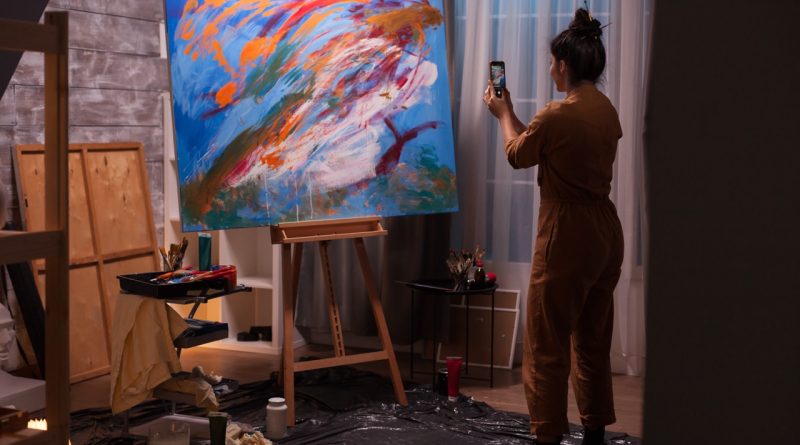
Mixing Media: Combining Ink and Digital Color
The intersection of traditional and digital art forms presents a thrilling realm of creativity, especially for enthusiasts of science fiction, fantasy, and pop culture. Mixing ink with digital color not only revitalizes classic techniques but also opens new avenues for expression. This article delves into the art of blending these mediums, offering insights into historical inspirations, practical tips, and methods for showcasing your mixed media masterpieces.
The Art of Blending: Ink Meets Digital Color Techniques
Combining ink with digital color techniques can create striking visuals that capture the imagination. The process begins with traditional inking methods, where artists use pens, brushes, or markers to lay down their designs on paper. This tactile approach imbues each piece with a unique character, allowing the artist’s hand to leave its mark. Once the ink is dry, the artwork can be scanned and imported into a digital platform for color enhancement. Using software like Adobe Photoshop or Procreate, artists can manipulate hues, add textures, and create effects that elevate the original ink work.
One of the most exciting aspects of blending these media is the freedom it offers. Artists can experiment by layering colors, adjusting opacities, and incorporating digital brushes to emulate various textures. This practice not only enhances the depth and richness of the artwork but also allows for endless possibilities in how characters and landscapes are portrayed. Whether you’re illustrating a fantastical creature or a sci-fi cityscape, the combination of ink and digital color provides an expansive toolkit for creativity.
Moreover, this hybrid technique is especially appealing for fans of geek culture, as it enables the creation of vibrant fan art and original pieces inspired by beloved universes. The ability to seamlessly merge traditional skills with digital tools allows artists to pay homage to their favorite characters while adding their personal flair. The result? Stunning artwork that resonates with both nostalgia and innovation.
Historical Inspirations: From Classic Ink to Modern Digital
The journey of ink as a medium dates back centuries, with its roots firmly planted in the traditions of calligraphy and illustration. Artists like Albrecht Dürer and Hokusai demonstrated the power of ink through intricate line work and compelling storytelling. Their mastery laid the groundwork for modern techniques, inspiring contemporary artists to explore the dynamic interplay between ink and color. The influence of historical artists can be seen in today’s geek-themed art, where classic styles are reimagined with a modern twist.
As the digital age dawned, the art world experienced a seismic shift. The introduction of graphic tablets and software allowed artists to transcend the limitations of traditional media. This evolution paved the way for an exciting dialogue between the old and the new. Artists began to adopt techniques from classic ink illustrations, layering them with digital elements to create unique compositions. This blend of historical inspiration and modern technology has revolutionized the landscape of geek art, offering a fresh perspective while honoring the past.
In examining the evolution of mixing media, one can appreciate how the methods of yesteryear inform contemporary practices. The enduring charm of ink—its precision and expressiveness—combined with the boundless opportunities of digital color reflects the ongoing dialogue between tradition and innovation. For artists and collectors alike, this rich history adds depth and context to every piece created in this hybrid style.
Practical Tips for Mixing Media in Geek-Themed Artwork
For those eager to dive into mixing ink and digital color, starting with the right materials is essential. Invest in high-quality ink pens and markers that provide consistent flow and varying line weights. When selecting paper, opt for a smooth surface that can withstand ink without bleeding, ensuring that your initial designs remain clean and sharp. Once your ink work is complete, scan your art at a high resolution to retain detail—this step is crucial for the digital colorization process.
When transitioning to digital, familiarize yourself with software that offers robust color tools. Applications like Photoshop and Procreate provide a plethora of brushes and features that mimic traditional techniques. Experiment with layers to separate your ink work from color adjustments, allowing for greater flexibility. Don’t hesitate to utilize blending modes and opacity settings to achieve the perfect balance between ink and color. The goal is to create a harmonious relationship between the two, enhancing the overall composition.
Finally, don’t shy away from experimentation. Mixing media is about discovering what works best for your personal style. Explore different color palettes, textures, and techniques until you find a process that feels authentic. Remember, the beauty of art lies in its imperfections and surprises—embrace the journey and let your geeky inspirations shine through in your mixed media creations.
Showcasing Your Creations: Displaying Mixed Media Masterpieces
Once your mixed media artwork is complete, the next step is showcasing it effectively. Consider framing your pieces with glass to protect them from dust and fingerprints, especially if they contain both ink and digital elements. A well-chosen frame can enhance the artwork’s visual appeal, complementing its colors and themes. For a modern touch, consider floating frames that allow the artwork to stand out without overwhelming it.
Additionally, digital displays have become increasingly popular among art enthusiasts. Creating high-resolution prints of your mixed media pieces opens up opportunities for online sharing and exhibition. Platforms like Instagram and DeviantArt are great for connecting with fellow fans of geek culture, allowing you to share your work and receive feedback from a vibrant community. Don’t forget to watermark your images to protect your intellectual property while still allowing your art to be appreciated and enjoyed.
Finally, consider hosting an exhibition—whether online or in a physical space—to bring your creations to a wider audience. Collaborating with local galleries or art fairs can provide a platform for your work while connecting you with other artists and collectors. Showcasing your mixed media artwork not only celebrates your creative journey but also inspires others to explore the exciting world of blending traditional and digital techniques.
In conclusion, the art of mixing ink and digital color is a fascinating exploration that bridges the gap between tradition and modernity. By understanding the historical influences, employing practical techniques, and showcasing your creations effectively, you can create captivating artwork that resonates with fans of science fiction, fantasy, and pop culture. Embrace this hybrid approach, let your creativity flow, and enjoy the endless possibilities that await in the fusion of ink and digital artistry.