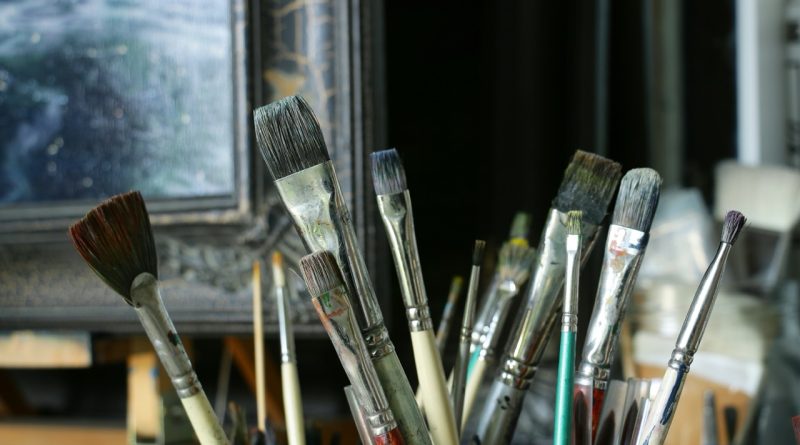
How to Give Your Digital Art a Traditional Paint Texture
In the vibrant worlds of science fiction, fantasy, and video games, the allure of traditional painting techniques continues to captivate artists and collectors alike. The tactile quality of paint—its texture, depth, and vibrancy—adds a unique dimension to artwork that digital mediums often struggle to replicate. However, with the right tools and techniques, digital artists can create that same rich, traditional feel in their works. This article will explore how to imbue your digital art with the captivating textures of traditional paint, making it more appealing to both seasoned collectors and newcomers alike.
Understanding the Appeal of Traditional Paint Textures
The charm of traditional paint textures lies in their ability to evoke emotion and nostalgia. For many collectors, artworks created with oils, acrylics, or watercolors bring to mind the craftsmanship and unique nuances that only physical mediums can offer. This connection to the past enhances the viewing experience, making each piece feel intimate and personal. In a world increasingly dominated by digital art, traditional textures provide a refreshing contrast that can draw viewers in, inviting them to explore the layers of color and technique.
Furthermore, traditional textures can enhance storytelling in art. In genres like science fiction and fantasy, where worlds are built from imagination, the rough edges of a brushstroke or the fluidity of a watercolor wash can add depth to characters and environments. These textures can evoke the feeling of a universe that is tangible and alive, creating a bridge between the artwork and the viewer’s imagination. Thus, understanding and replicating these textures in digital art can elevate your creations, enriching the narrative you wish to convey.
Lastly, the tactile nature of traditional media often leads to a more organic, spontaneous outcome. Digital artists can harness this spontaneity by mimicking the unpredictability of traditional techniques. By embracing imperfections and serendipitous accidents, you can create artwork that resonates with authenticity. This blend of traditional appeal and digital precision allows for innovative expressions that celebrate both realms of artistry—an essential consideration for any artist inspired by the worlds of geek culture.
Essential Tools and Techniques for Digital Artistry
To start simulating traditional paint textures in your digital artwork, you’ll need a few essential tools. High-quality brushes and texture packs can make a significant difference in achieving the desired effect. Software like Adobe Photoshop, Procreate, or Corel Painter offers a vast array of brush options designed to mimic traditional mediums. Look for brushes that replicate oil, watercolor, or acrylic textures. These specialized brushes can help you achieve a more authentic feel in your artwork.
In addition to brushes, consider using texture overlays or custom textures to enhance depth. Many artists create or purchase texture files that mimic the surface of canvas, paper, or even specific paint types. By layering these textures onto your digital canvas, you can add a sense of realism that is often missing in flat digital images. Experimenting with blending modes and opacity levels can create stunning effects that transform your pieces, making them feel more like traditional works.
Finally, don’t underestimate the power of color mixing and layering techniques. Traditional artists often build their colors through multiple layers, allowing for a complex interplay of hues and depths. In digital art, you can emulate this by using multiple layers of color and adjusting their blending modes. This technique not only adds richness to your artwork but also mimics the way light interacts with paint on a canvas, capturing the magic of traditional artistry within a digital framework.
Step-by-Step Guide to Simulating Paint Effects
Now that you have the tools at your disposal, let’s dive into a step-by-step guide to simulating paint effects in your digital art. First, start with a solid base layer. Choose a color palette that resonates with the mood of your piece. If you’re creating a fantasy landscape, consider earth tones or vibrant hues. Use a textured brush to lay down your initial colors, allowing some of the underlying texture to show through. This sets the stage for the layers to come.
Next, begin layering your colors. Use different brushes to add highlights and shadows, focusing on the areas where light would naturally hit or be obscured. Don’t be afraid to experiment with different blending modes to see how they interact with your base layer. A common technique is to use a soft brush for highlights and a rougher brush for shadows, creating a dynamic contrast that emulates traditional painting techniques. Remember, the goal is to build depth, so take your time and allow each layer to dry (or in digital terms, settle) before adding more.
Finally, add finishing touches that enhance the traditional feel. This could be a subtle texture overlay to simulate canvas grain or a few well-placed brushstrokes that mimic the imperfections of real paint. Adjusting the contrast and saturation can also help bring your artwork to life. When you step back and examine your piece, it should evoke the same emotions that a traditional painting would, making it not just an image but a narrative experience for the viewer.
Showcasing Your Art: Presentation Tips for Collectors
Once you’ve created your art with traditional textures, the next step is showcasing it effectively. Presentation can significantly enhance the impact of your work, especially for collectors who appreciate the nuances of art. Consider printing your digital artwork on high-quality canvas or fine art paper, which can further highlight the texture and depth you’ve painstakingly crafted. The tactile quality of these materials can make your digital art feel more like a traditional painting, appealing to collectors’ sensibilities.
Additionally, framing plays a crucial role in presentation. Choose frames that complement the style of your artwork. For example, a rustic frame can enhance the warmth of a fantasy landscape, while a sleek, modern frame might suit a sci-fi piece. Don’t forget to include a matting option, as it can give your artwork a polished look while providing a visual buffer between the art and the frame, drawing the eye toward your creation.
Lastly, when it comes to displaying your art, consider the lighting and environment. Natural light can enhance the colors and textures of your piece, while softer artificial lighting can create a mood that resonates with its theme. When showcasing your art at conventions, galleries, or even online, remember to tell the story behind your piece. Sharing your inspiration and the techniques used can engage potential collectors and spark a deeper appreciation for your work, bridging the gap between the artist and the audience.
In conclusion, giving your digital art a traditional paint texture is not just about replicating a style; it’s about creating an emotional connection with your audience. By understanding the appeal of traditional techniques, equipping yourself with the right tools, and following a systematic approach, you can elevate your digital creations to new artistic heights. Whether you’re a seasoned collector or a newcomer to the world of geek art, these techniques offer a pathway to explore the fusion of traditional and digital artistry, enriching both your experience and that of your viewers. So grab your digital brushes, unleash your imagination, and let your art tell a story that resonates across time and medium.