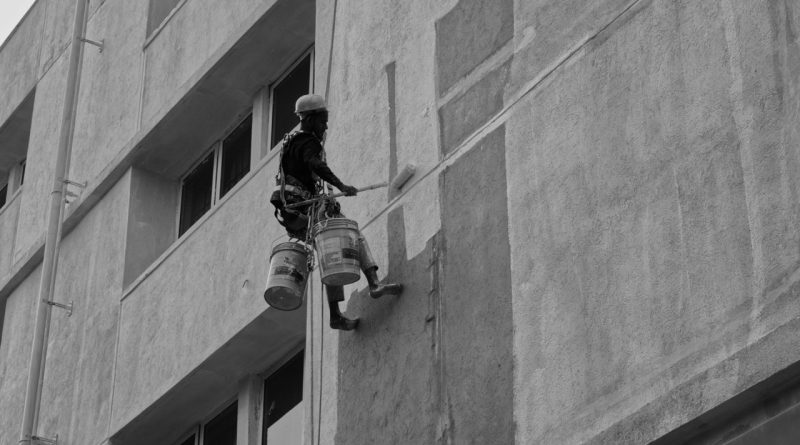
The Visual Language of Dystopia
In a world where uncertainty looms large, the visual language of dystopia emerges as a powerful medium through which artists express societal anxieties and aspirations. This genre transcends mere aesthetics, weaving together symbols, colors, and historical references to create immersive experiences. For enthusiasts of science fiction, fantasy, and pop culture, understanding this visual vernacular can deepen one’s appreciation and inspire new avenues for collection and creation. Let’s delve into the iconic symbols, the role of color and composition, historical influences, and practical tips for curating this compelling art form.
Exploring Iconic Visual Symbols in Dystopian Art
Dystopian art is rich with iconic visual symbols that resonate deeply with audiences. Tools of oppression, such as surveillance cameras, barbed wire, and gas masks, serve as stark reminders of authoritarian control. These symbols often evoke a sense of unease, compelling viewers to confront uncomfortable truths about their own societies. For instance, the use of a broken clock in many dystopian works symbolizes the disruption of time and normalcy, suggesting that the future may be forever altered.
Another powerful symbol in dystopian art is urban decay, often represented through crumbling buildings, dark alleyways, and overgrown flora reclaiming man-made structures. This imagery not only reflects humanity’s neglect of the environment but also acts as a metaphor for societal collapse. The juxtaposition of nature reclaiming urban spaces invites viewers to ponder the consequences of industrialization and the potential for rebirth amidst destruction.
Moreover, characters in dystopian art frequently embody the struggle against oppressive systems. From the lone rebel to the oppressed masses, these figures are depicted in ways that challenge viewers to empathize with their plight. By using recognizable archetypes and exaggerating certain traits, artists create a visceral connection that invites reflection and often, a call to action.
The Role of Color and Composition in Dystopian Themes
Color plays a crucial role in conveying the emotional landscape of dystopian art. Dark, muted palettes dominate many works, evoking feelings of despair and hopelessness. Shades of gray, black, and deep red often symbolize violence and decay, while occasional splashes of vibrant color might represent fleeting moments of hope or rebellion. For example, the use of bright yellow in a bleak landscape can signify a fragile hope, contrasting sharply with the surrounding desolation.
Composition also serves to enhance the narrative within dystopian visuals. Artists often employ asymmetry to create unease, positioning elements in a way that feels jarring or unsettling. This technique immerses viewers in a world that feels out of balance, echoing the themes of chaos and disruption inherent in dystopian tales. The strategic placement of figures within a composition can guide the viewer’s eye, leading them to confront the focal point of despair or resistance.
Additionally, the use of negative space in dystopian art can amplify the sense of isolation experienced by characters within these worlds. By leaving large areas of a canvas empty, artists evoke feelings of abandonment and desolation, further emphasizing the emotional weight of their subjects. Such techniques compel viewers to engage with the artwork on a deeper level, encouraging them to reflect on the ramifications of the depicted scenarios.
Historical Influences on Modern Dystopian Visuals
The roots of dystopian visuals can be traced back to early literature and art. Works like George Orwell’s "1984" and Aldous Huxley’s "Brave New World" not only shaped the narrative of dystopia but also influenced contemporary visual interpretations. These literary masterpieces provided a framework for visual artists to explore themes of control, surveillance, and the human condition, sparking a rich dialogue between mediums.
Furthermore, historical events have catalyzed the evolution of dystopian art. The aftermath of World War II, the Cold War, and the rise of totalitarian regimes prompted artists to grapple with themes of oppression and loss of individuality. The stark imagery of propaganda, coupled with the existential dread of nuclear annihilation, laid the groundwork for a visual language that continues to resonate today. Artists like Francis Bacon and George Grosz, who depicted the horrors of war and societal breakdown, paved the way for future generations to explore similar themes through different mediums.
In recent years, the digital revolution has transformed how dystopian narratives are shared and interpreted. The rise of video games and digital art has provided new platforms for artists to express their visions of dystopia. This new medium allows for interactive experiences that immerse players in dystopian worlds, making the themes more immediate and personal. As technology continues to evolve, so too will the visual language of dystopia, reflecting our ongoing societal anxieties.
Tips for Curating and Displaying Dystopian Artworks
Curating a collection of dystopian art is an exciting venture that can bring depth and intrigue to any space. Start by identifying key themes that resonate with you—whether it’s the struggle for freedom, environmental decay, or technological control. This focus will help you select pieces that create a cohesive narrative throughout your collection. Consider mixing mediums, from traditional paintings to digital prints, to add variety and dimension to your display.
When it comes to displaying your collection, think about the ambiance of the space. Dystopian art often thrives in environments that evoke a sense of mystery or tension. Using dim lighting or strategically placed spotlights can highlight specific pieces while enhancing their emotional impact. Additionally, consider incorporating elements of the themes into your décor, such as industrial furniture or distressed materials, to create an immersive experience that complements your artwork.
Finally, engage with the community of fellow enthusiasts and artists. Attend exhibitions, participate in online forums, and follow social media accounts dedicated to dystopian art. Sharing insights and experiences can enrich your understanding and appreciation of this genre. Networking can also lead to discovering emerging artists whose works may become the new icons of dystopia, ensuring your collection remains fresh and relevant.
The visual language of dystopia offers a rich tapestry of symbols, colors, and historical narratives that resonate with our collective fears and hopes. By exploring iconic symbols, understanding the roles of color and composition, and recognizing historical influences, art enthusiasts can deepen their appreciation for this thought-provoking genre. Moreover, with practical tips for curating and displaying dystopian artworks, both seasoned collectors and newcomers can embark on a journey that not only enriches their spaces but also sparks meaningful conversations about the world we inhabit. Embrace the allure of dystopian art, and let it inspire your own vision of what the future may hold.